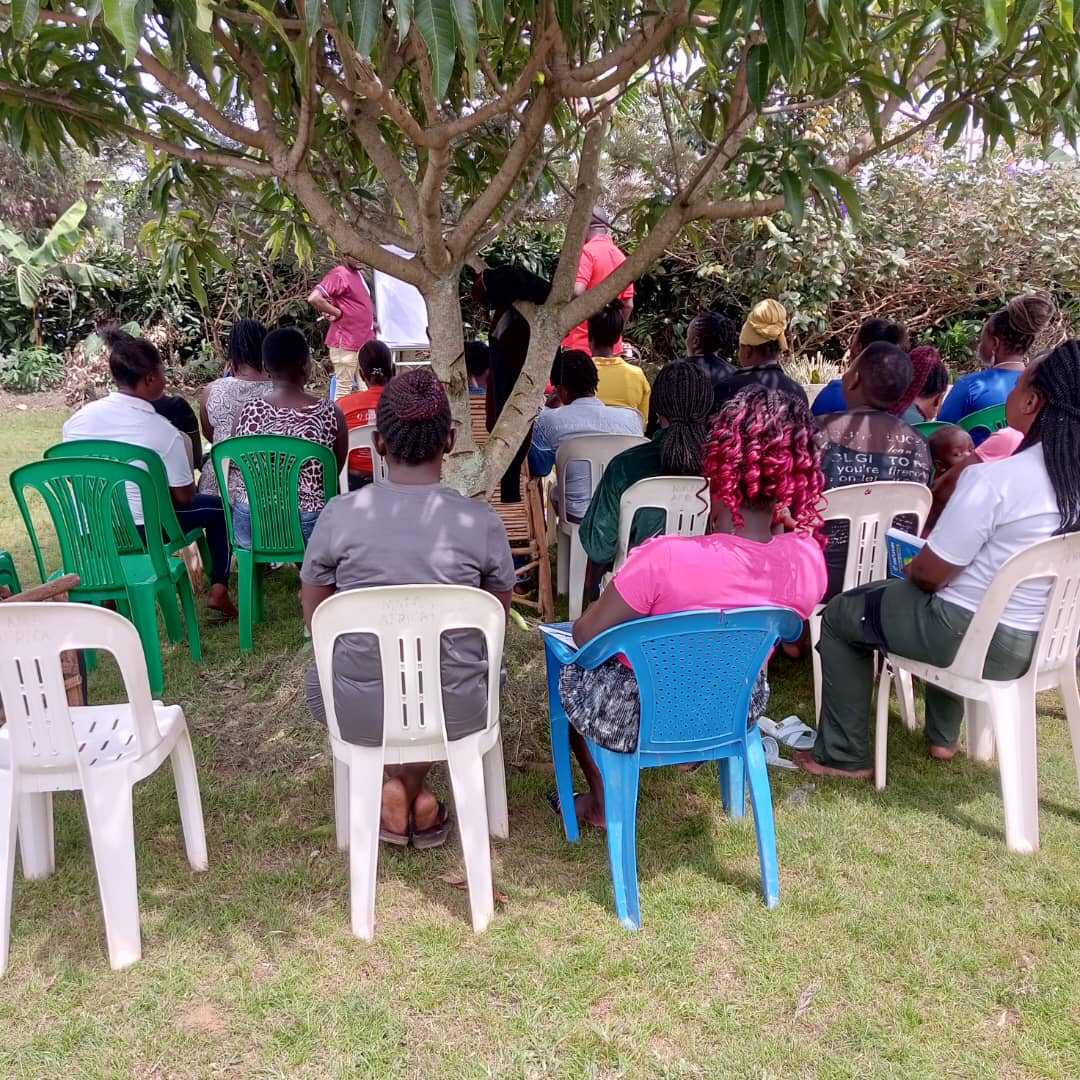
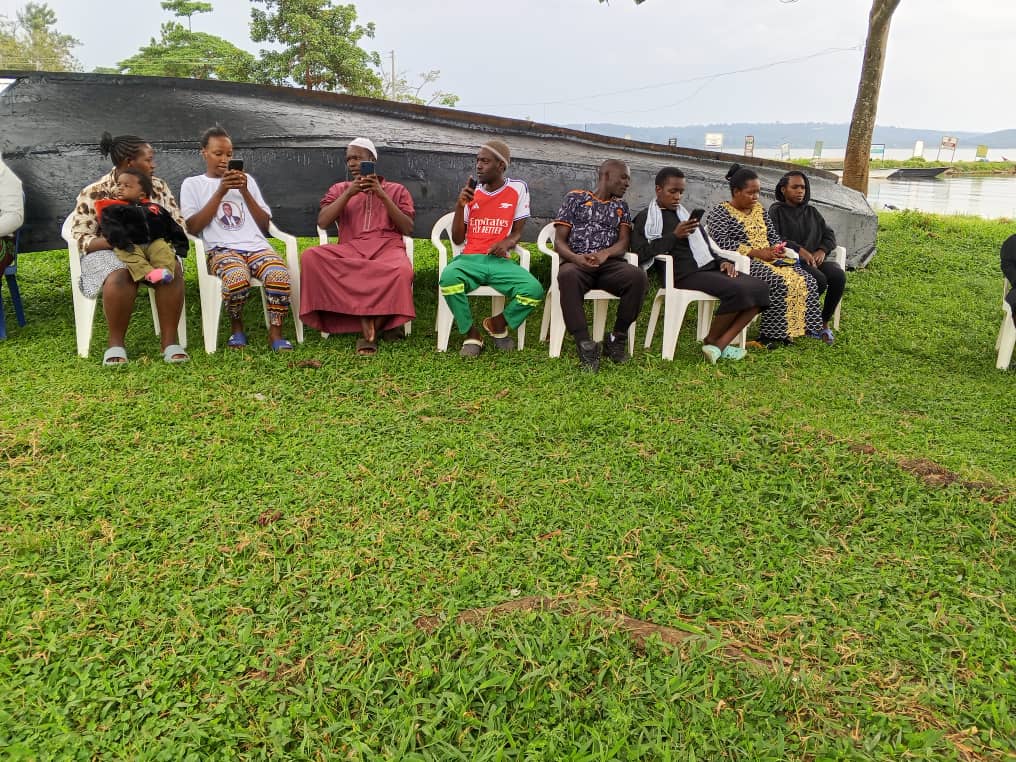
SHSI co-developed a community malaria surveillance tool with KIT Royal Tropical Institute under the EU-AEIP Africa-Europe Innovation programme, across three high-burden districts in Uganda.
As a matched partner to KIT Royal Tropical Institute (Netherlands) under the EU-AEIP Africa-Europe Innovation programme, SHSI helped co-design and pilot a community-anchored malaria surveillance tool. The work spans three high-burden districts and centres community health workers as the frontline of detection and response.
Objectives
- Co-develop a community-friendly digital malaria surveillance tool.
- Pilot the tool across three high-burden Ugandan districts.
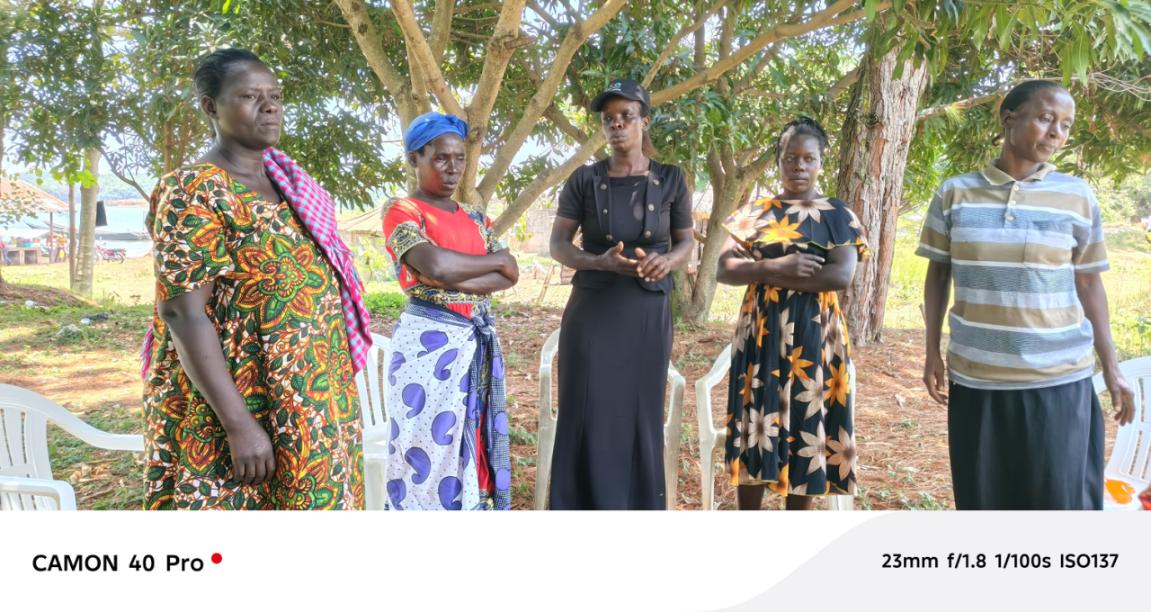
- Strengthen the role of community health workers in surveillance.
- Generate real-time data to inform local malaria response.
Activities
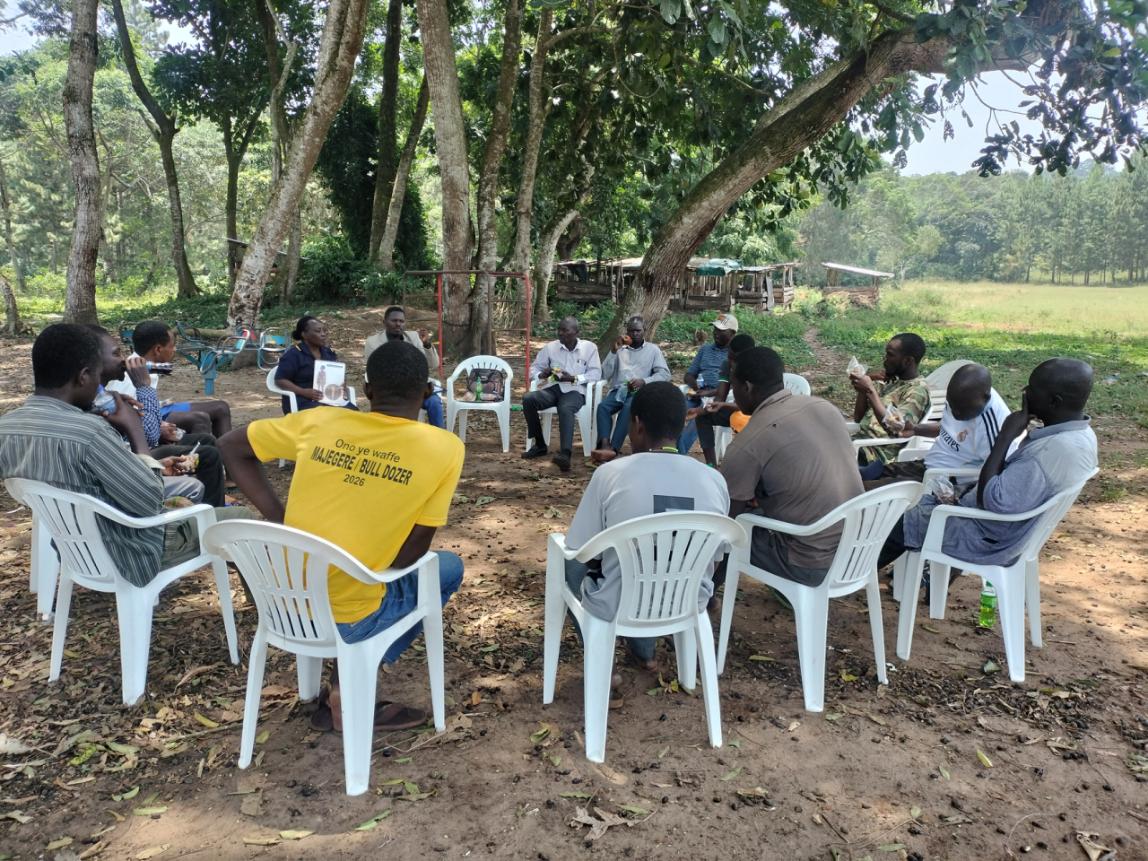
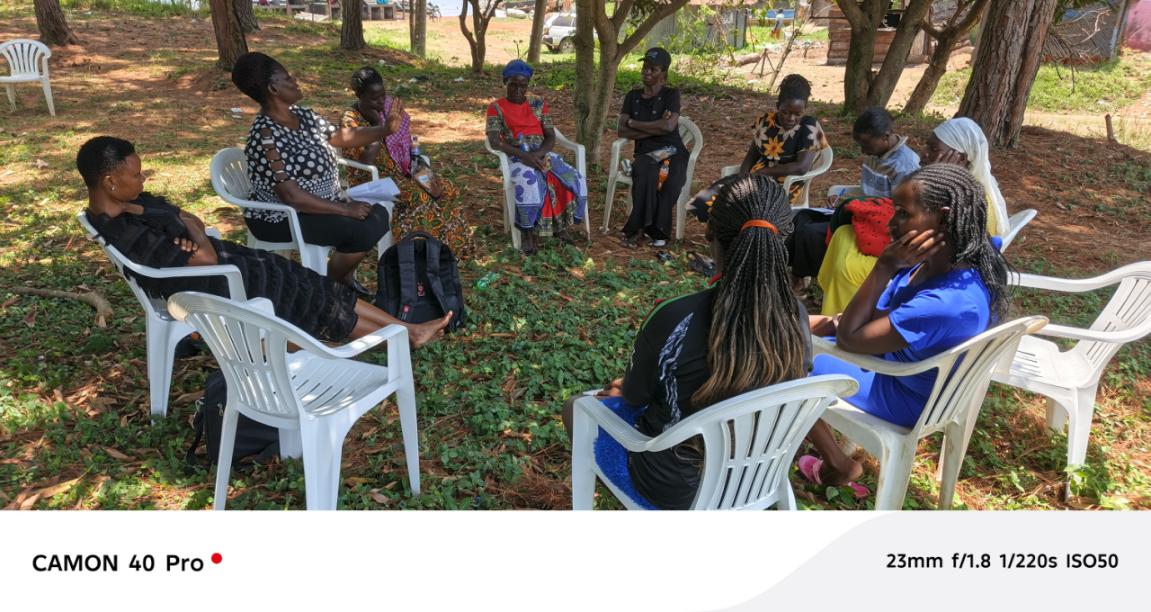
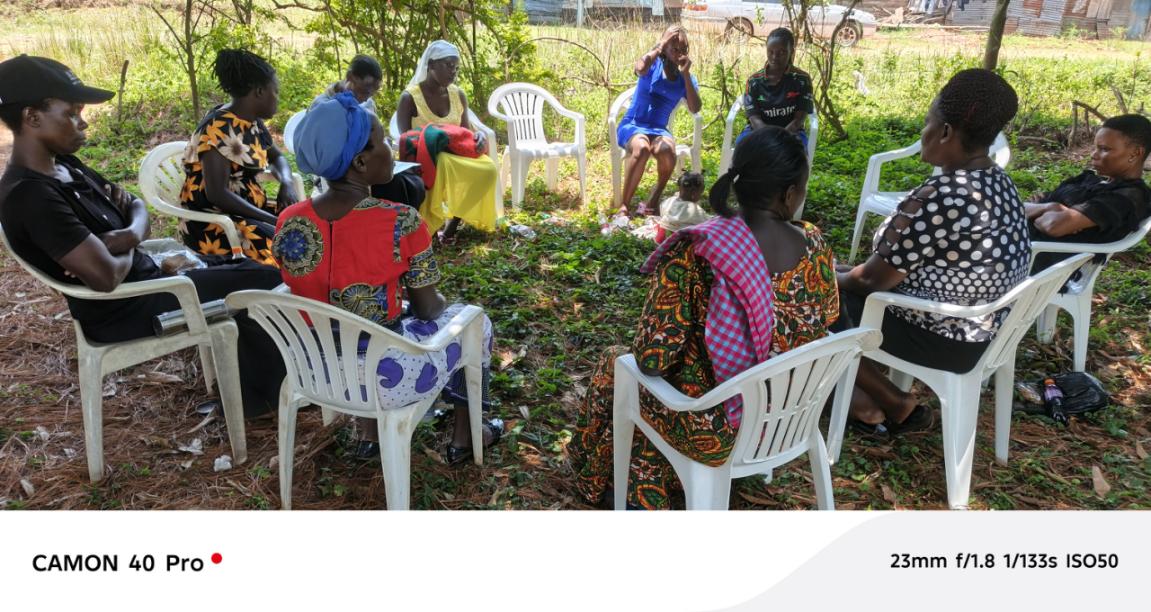
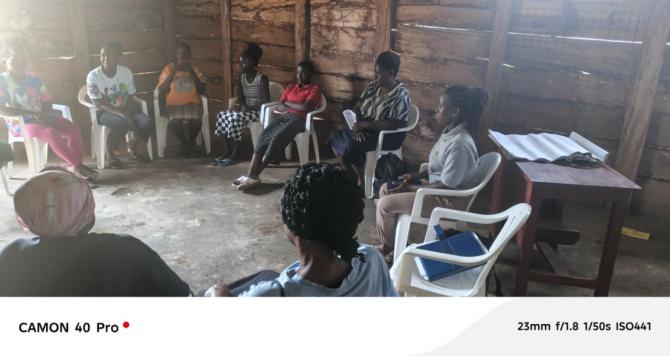
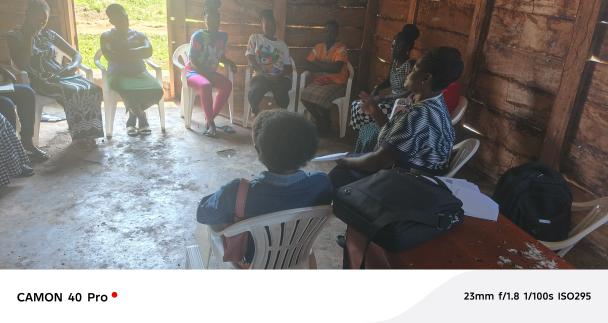
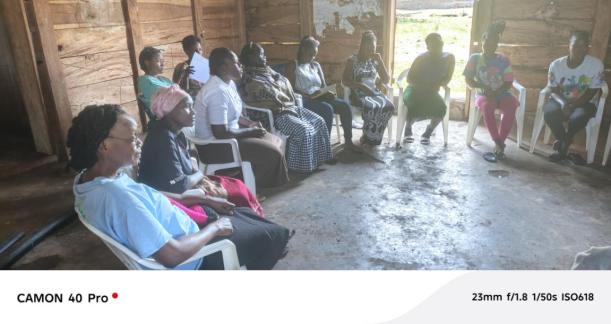
- Human-centred design workshops with community health workers.
- Iterative field-testing of the surveillance tool.
- Training and mentorship of frontline reporters.
- Joint data-review sessions with district health teams.
Outcomes
- A field-tested community malaria surveillance tool.
- Improved timeliness and quality of community-level malaria data.
- Stronger Africa–Europe research and innovation partnership.
The collaboration demonstrates how community expertise and European research capacity can jointly build tools that strengthen frontline malaria response — and that are owned by the communities they serve.